What is the Role of AI in Designing Scalable and Optimized Cloud Computing Solutions?
According to recent research, the worldwide AI in cloud computing industry is predicted to reach more than $100 billion by 2027, growing at a CAGR of 30.5%. Furthermore, these rapid advancements in cloud computing have transformed significantly and show how organizations function in today’s digital landscape. Cloud platforms enable businesses to access and store vast amounts of data, collaborate in real time, and measure their operations. As the demand for professionals with certified cloud computing courses is rising, the introduction of artificial intelligence (AI) into cloud computing has driven this fundamental transformation to the next level.
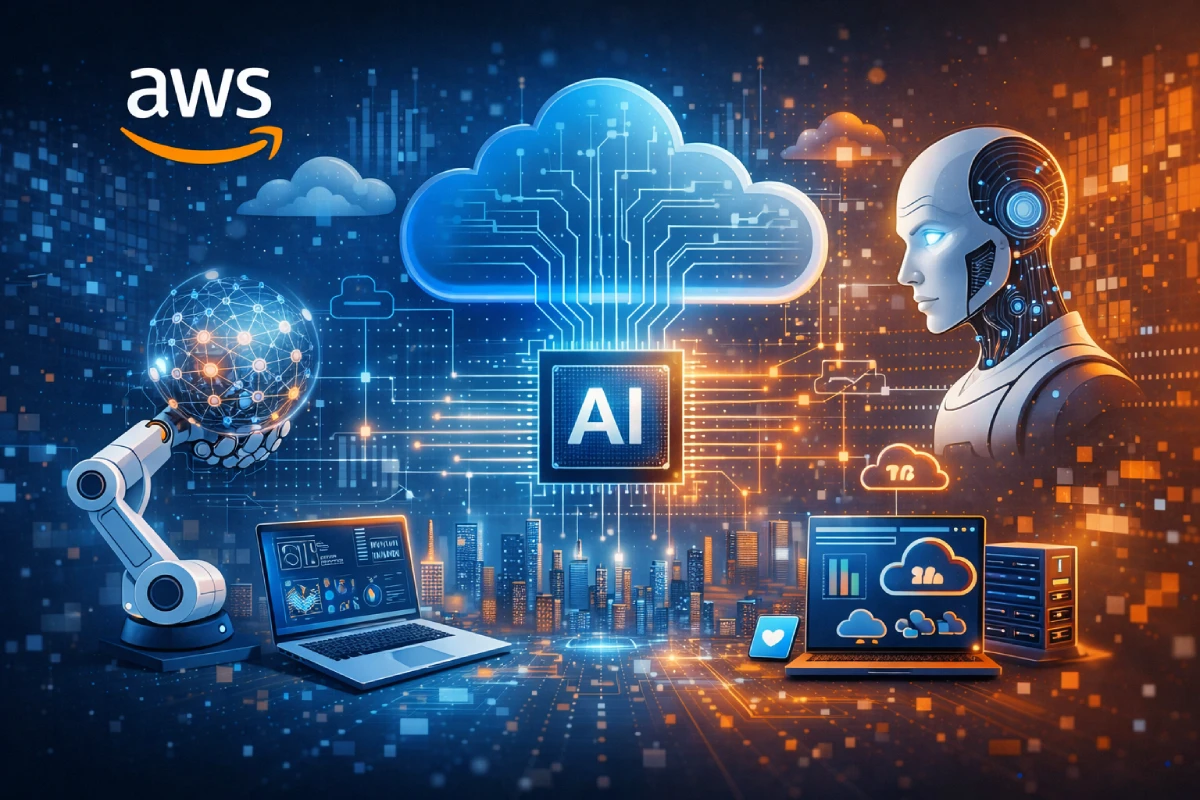
Moreover, by integrating AI with cloud infrastructure, organizations can achieve unparalleled levels of efficiency, security, and scalability. Likewise, this combination enables capabilities such as predictive analytics, real-time decision support, and resource management. Also, it streamlines everything from cloud infrastructure equipping to advanced analytics workflows. For IT professionals who have just completed their cloud computing courses, this database enables quick digital transformation and bright careers in this competitive world. Nevertheless, in the comprehensive guide, we will discuss the fundamental role of AI in cloud computing solutions. Let’s begin!
Significant Relationship between AI and Cloud Computing
AI and cloud computing have become indivisible due to their reliance on automation. AI facilitates easy-to-understand processes, increasing efficiency, and allowing IT professionals with certified cloud computing courses to concentrate on more creative development. Additionally, cloud computing delivers the ideal infrastructure for AI applications. It also offers required computing power, such as storage and scalability, to manage the extensive amount of data needed for AI algorithms.
Investment in cloud computing has contributed to the rapid growth and adoption of Artificial Intelligence. Leading cloud providers, such as Azure and AWS, have made an extensive range of AI algorithms accessible. Thus, it makes it easier for organizations to leverage AI.
Fundamental Role of AI in Cloud Computing Industry
In the current digital era, cloud computing is the backbone of every business. However, just using the cloud is not sufficient. It is also important to make it scalable and optimized. It is where AI acts as a game-changer, making cloud computing systems smarter, faster, and more efficient. So, if you are starting your career in cloud computing or AI after completing your cloud computing courses, let’s look into the essential role of AI in cloud computing:
1. Performance Monitoring and Optimization
AI-powered performance monitoring tools continuously monitor system performance. If the system is experiencing increased latency or a bottleneck, AI immediately notifies or auto-adjusts. However, it makes the system proactive, fixing problems before they become serious. Application performance remains continuously optimized.
2. Capacity Planning and Forecasting
Future scalability is another factor to consider. AI uses past data to predict future needs. Furthermore, it enables companies to develop their infrastructure in advance rather than at the last minute. Long-term planning becomes data-driven, ensuring efficiency and stability.
3. Accelerated Innovation
AI cloud computing reduces the effort and time needed for standard operations such as data processing, workload management, and resource allocation. Furthermore, with these operations automated, the team can concentrate on application development, service launches, and idea testing. Moreover, cloud-based AI services enable rapid experimentation without the need for extensive infrastructure setup.
4. Enhanced Business Efficiency
Cloud workloads are continuously monitored, and their performance is managed by AI. Furthermore, it can perform resource redistribution, bottleneck detection, and load balancing, thereby simplifying uninterrupted operation. All these aspects lead to reduced downtime, fewer operational resources, and quick response times. Additionally, it results from eliminating underutilization and overcapacity.
5. Enhanced Decision-Making
By analyzing vast volumes of unaligned and aligned data in real time, Artificial Intelligence provides actionable understandings for better, more informed decision-making. Predictive models can identify trends, suggest adjustments, and forecast resource or workload demand. Thus, it allows organizations to make informed decisions and react proactively to changes.
6. Increased Accessibility
While pursuing your cloud computing courses, you will come to know vast topics related to the AI role in this particular field. Therefore, increasing accessibility is one of AI’s most fundamental roles, often presented as services that require minimal technical specifications. Employees from different departments can use automated machine learning models and analytics dashboard features without being AI experts. Nevertheless, this scenario enables broader access to state-of-the-art technologies and permits the whole organization to improve its operations through AI understanding.
7. AI-as-a-Service (AIaaS)
Cloud providers, such as Microsoft Azure, AWS, and Google Cloud, offer AI-as-a-Service (AIaaS), enabling organizations to more easily access AI capabilities. Companies can use these fundamental platforms to construct machine learning models, deploy AI-powered applications, and implement natural language processing without needing extensive in-house expertise.
Key Skills and Qualifications for a Cloud Computing and AI Career
To build a career in AI and cloud computing after completing cloud computing courses, individuals need a blend of technical and soft skills, as well as relevant experience and qualifications. Moreover, here are some essential skills and qualifications for an AI and cloud computing career:
1. Qualifications
- A degree in data science, computer science, or any related field.
- Appropriate certifications in Machine Learning, Cloud Computing, or AI (eg, Microsoft Certified: Azure AI Engineer Associate, Google Cloud Professional Data Engineer, or AWS Certified Solutions Architect)
2. Technical Skills
- Machine learning and deep learning methods
- Programming languages, such as C++, JAVA, or Python
- Visualization and Data Analytics Tools (eg, Power BI or Tableau)
- Knowledge of algorithms and data structures
- Have relevant experience with database management and data storage (eg, NoSQL or SQL)
- Cloud Architecture and technologies (Google Cloud, AWS, and Azure)
3. Experience
- A proven experience in cloud computing platforms and tools
- Real-hand experience on AI projects
- experience with visualization and data analysis
- Established ability to deploy and develop machine learning models
4. Soft Skills
- Analytical Thinking and Problem-Solving
- Effective Collaboration and Communication
- Creativity and Innovation
- Organizational skills and Project Management
- Eagerness and Adaptability to learn new technologies
It’s To Wrap Things Up!
We hope this end-to-end guide has provided you with all the details you need about the significant role of AI in cloud computing. However, as you take this bold step towards your career, completing cloud computing courses is one of the most vital steps in today’s rapidly evolving technology landscape. The integration of AI into cloud computing has enhanced accuracy, efficiency, and speed. Thus, the future of this field is promising. So, if you want to establish a successful career in this field, ensure you choose the best institute to complete cloud computing courses. Rexton IT Solutions is here to provide the necessary qualifications and skills, help every candidate stay up to date, and offer 100% placement guarantee. So, what are you waiting for? Enroll today to kick-start your career!
Frequently Asked Questions
Ans: AI uses documented data to forecast future loads. Furthermore, it enables the system to scale up or down accordingly, resulting in improved performance, reduced downtime, and seamless scalability without human intervention.
Ans: Of course! AI helps detect unused resources and prevents wastage. Also, it helps companies pay for what they actually use.
Ans: Programming skills (Python, Java), machine learning fundamentals, and familiarity with cloud infrastructure (AWS, Azure, Google Cloud) are required. Likewise, problem-solving and analytical skills are also highly valued. Certifications are a bonus.
Ans: AIaaS refers to cloud service providers’ ability to provide pre-built AI solutions. You can use machine learning or AI apps with minimal infrastructure setup.